
Mission Bridge History

The Santa Ana River crossing near Mount Rubidoux has linked Riverside and the Jurupa Valley area for more than a century, long before Jurupa Valley became an incorporated city in 2011. What began as an informal river crossing has evolved, over the decades, into a vital piece of regional infrastructure for both communities. 
  • Before the Bridge

    Before a permanent bridge existed, travelers crossed the Santa Ana River using natural fords and temporary wooden crossings, often disrupted by seasonal flooding. As the citrus industry and commerce grew through the late nineteenth century, the need for a reliable, year-round crossing became increasingly clear. 

  • An Engineered Crossing

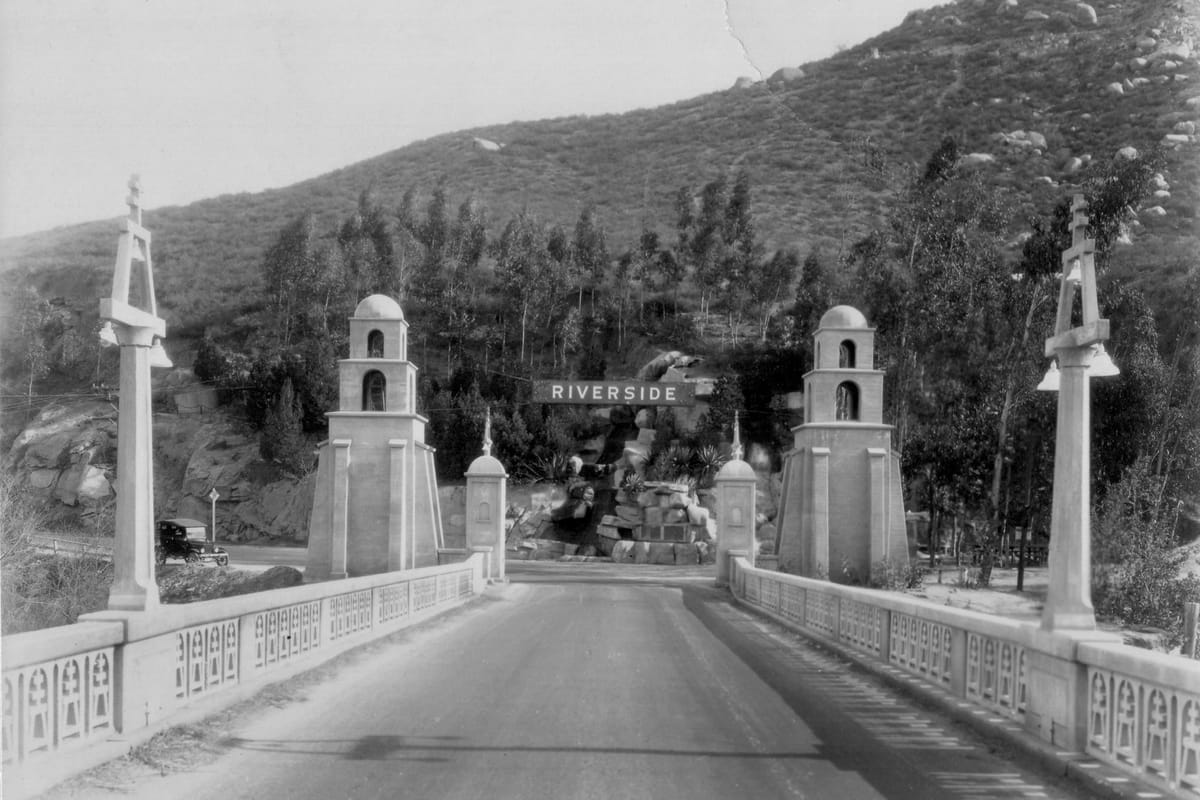
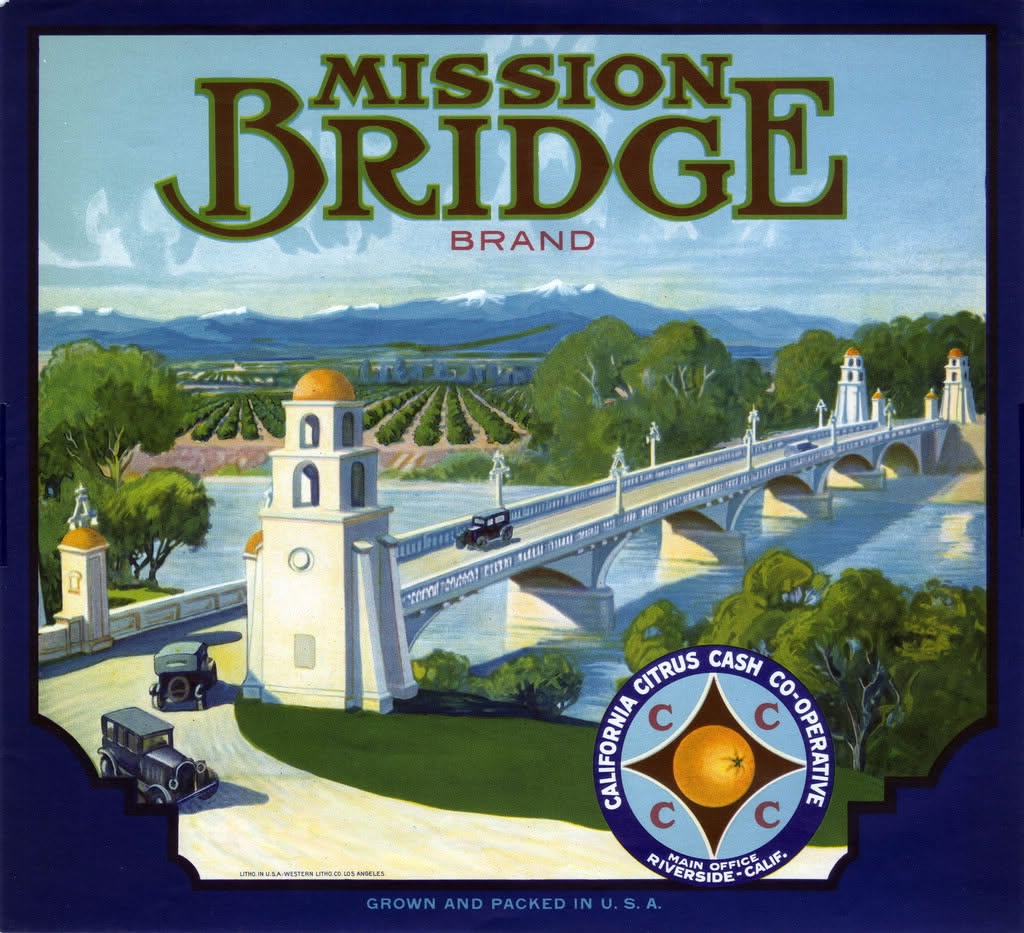
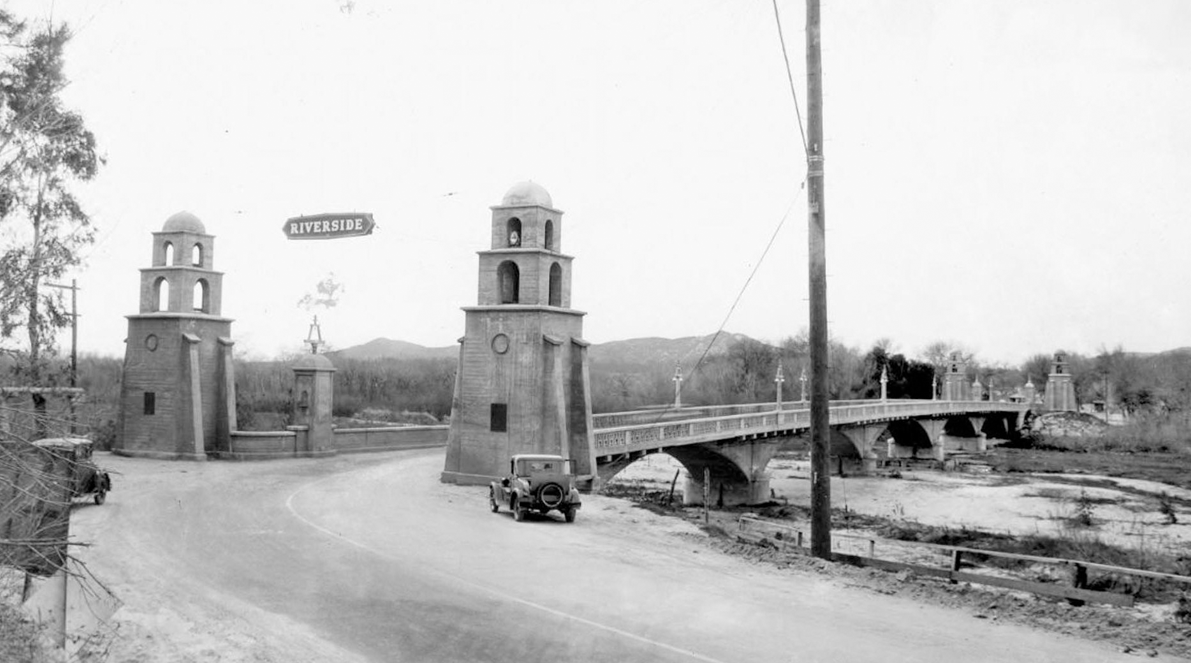
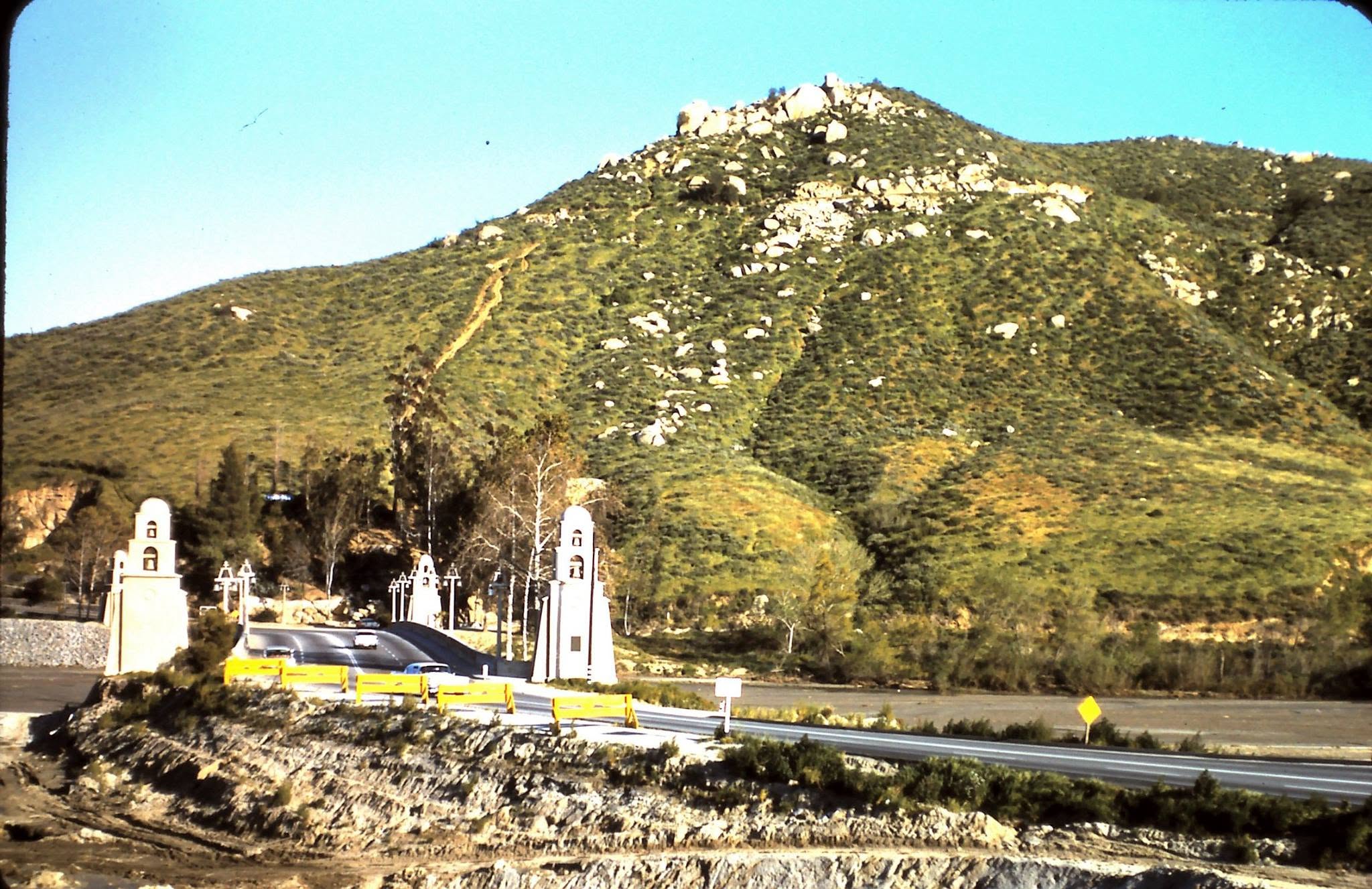
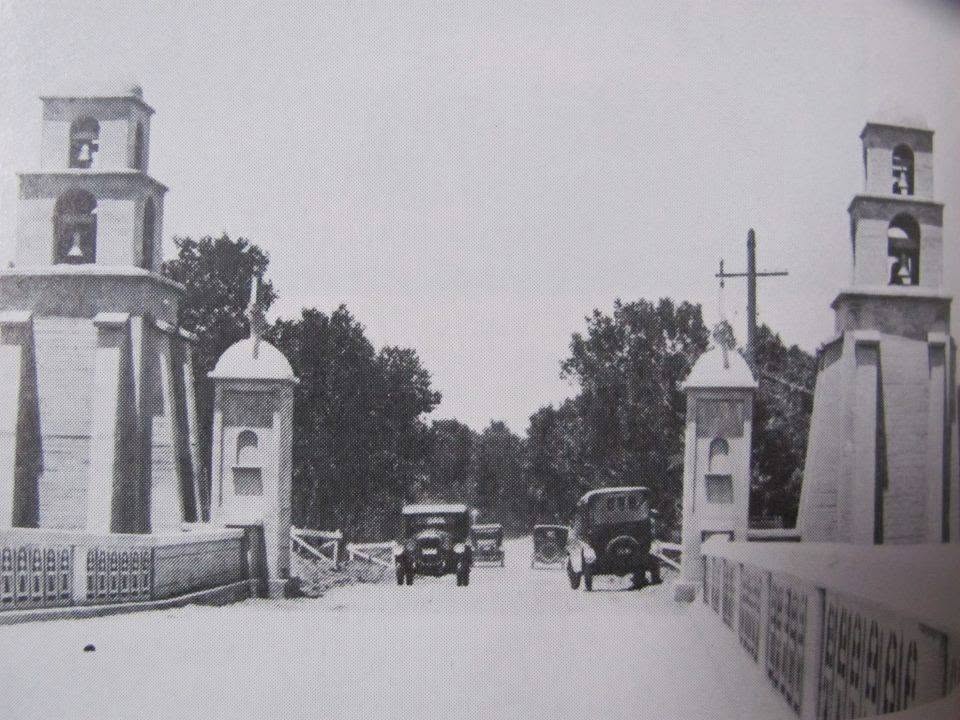
    By the early twentieth century, the first engineered bridge opened at the Mount Rubidoux crossing—the Mission Bridge, also known as the Rubidoux Bridge. Built in the Mission Revival style with reinforced concrete piers and a steel superstructure, it served horse-drawn wagons and the growing number of early automobiles. It quickly became a landmark, welcoming travelers across the river in both directions. 

  • Regional Growth

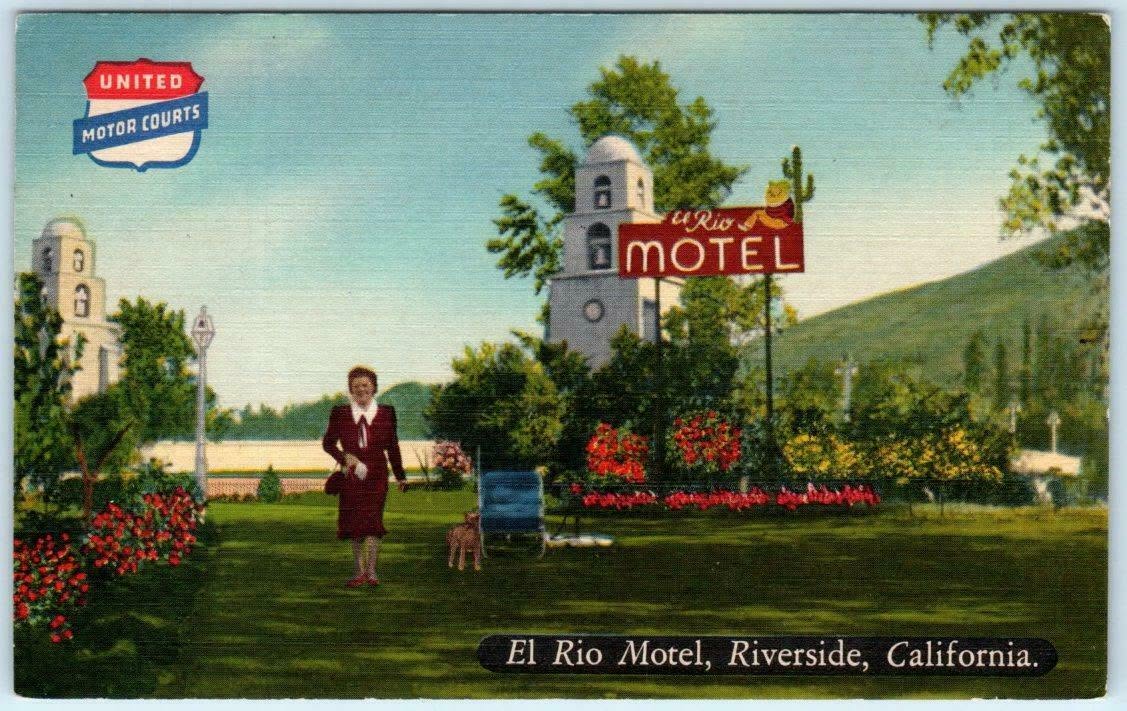
    Through the 1920s and 1930s, Southern California's population boom and rising car ownership turned the bridge into a vital regional highway link, carrying more traffic between Riverside, the Jurupa Valley area, and neighboring communities. Its Mission Revival towers became a familiar sight as increasing traffic placed added strain on the aging structure. 

  • Regional Growth

    Through the 1920s and 1930s, Southern California's population boom and rising car ownership turned the bridge into a vital regional highway link, carrying more traffic between Riverside, the Jurupa Valley area, and neighboring communities. Its Mission Revival towers became a familiar sight as increasing traffic placed added strain on the aging structure. 

  • The 1938 Flood

    Catastrophic floods in 1938 tested river crossings throughout the region. Although the bridge remained standing, the disaster exposed the limits of older bridge designs and accelerated efforts to modernize infrastructure and improve flood control along the Santa Ana River. 

  • Rebuilding for a Growing Region

    By the 1950s and 1960s, rapid growth throughout the Inland Empire, new engineering standards, and flood-control work that reshaped the Santa Ana River channel made the original bridge insufficient. It was gradually replaced with a modern crossing built with wider lanes, greater capacity, and stronger flood resilience. 

  • What Remains

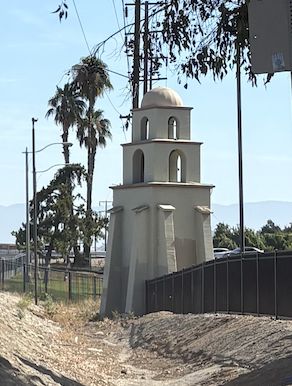
    Concrete pillars and other fragments of the original Mission-style bridge are still preserved near Carlson Park today—a physical reminder of the crossing's early years and the engineering that once carried travelers between both sides of the river. 

Looking Ahead

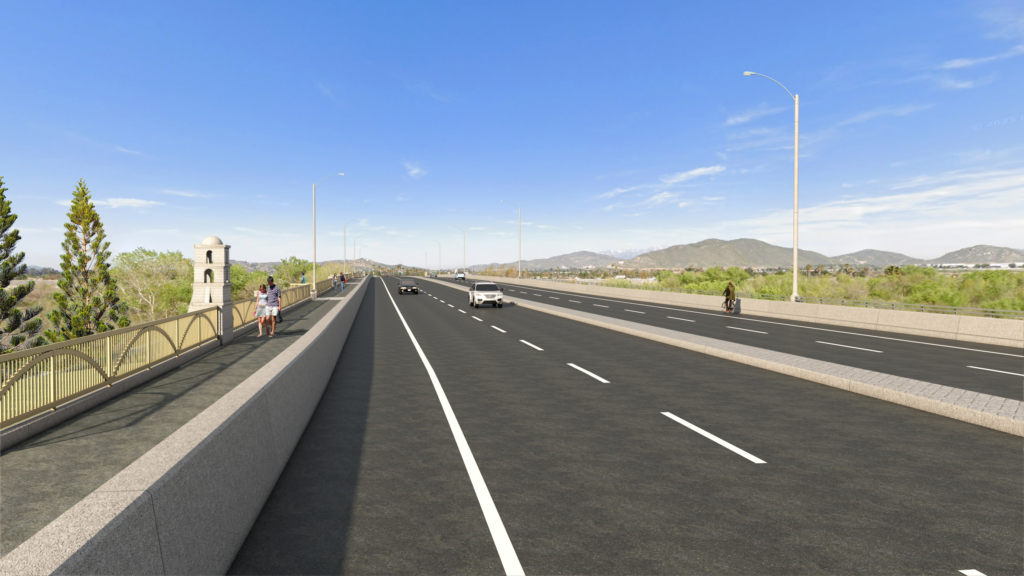
That history continues with the Mission Boulevard Bridge Project, a joint effort between the County of Riverside, and the cities of Jurupa Valley and Riverside. The aging, seismically deficient bridge is being replaced with a modern, 1,100-foot structure featuring two travel lanes in each direction, wider shoulders, and a raised median to improve safety. A new separated trail for pedestrians, cyclists, and equestrians will also connect directly to the Santa Ana River Trail. Concrete pillars and other architectural features at both ends of the bridge pay tribute to the original Mission-style bridge, while pedestrian overlooks along the multiuse trail provide opportunities to enjoy Santa Ana River views. Construction is underway with completion anticipated in late 2029. Built for today and designed for tomorrow, the new bridge marks the next chapter in the long history of this Santa Ana River crossing. 
Mission Blvd Bridge - East abut looking west